How has mountaineering changed over the past 100 years and could George Mallory have summited Everest in 1924?
In October 2025, Hugo and Ross Turner, began a pioneering expedition to the Himalayas to research one of history’s most mysterious mountaineering moments: George Mallory and Sandy Irvine’s fateful 1924 Everest expedition.
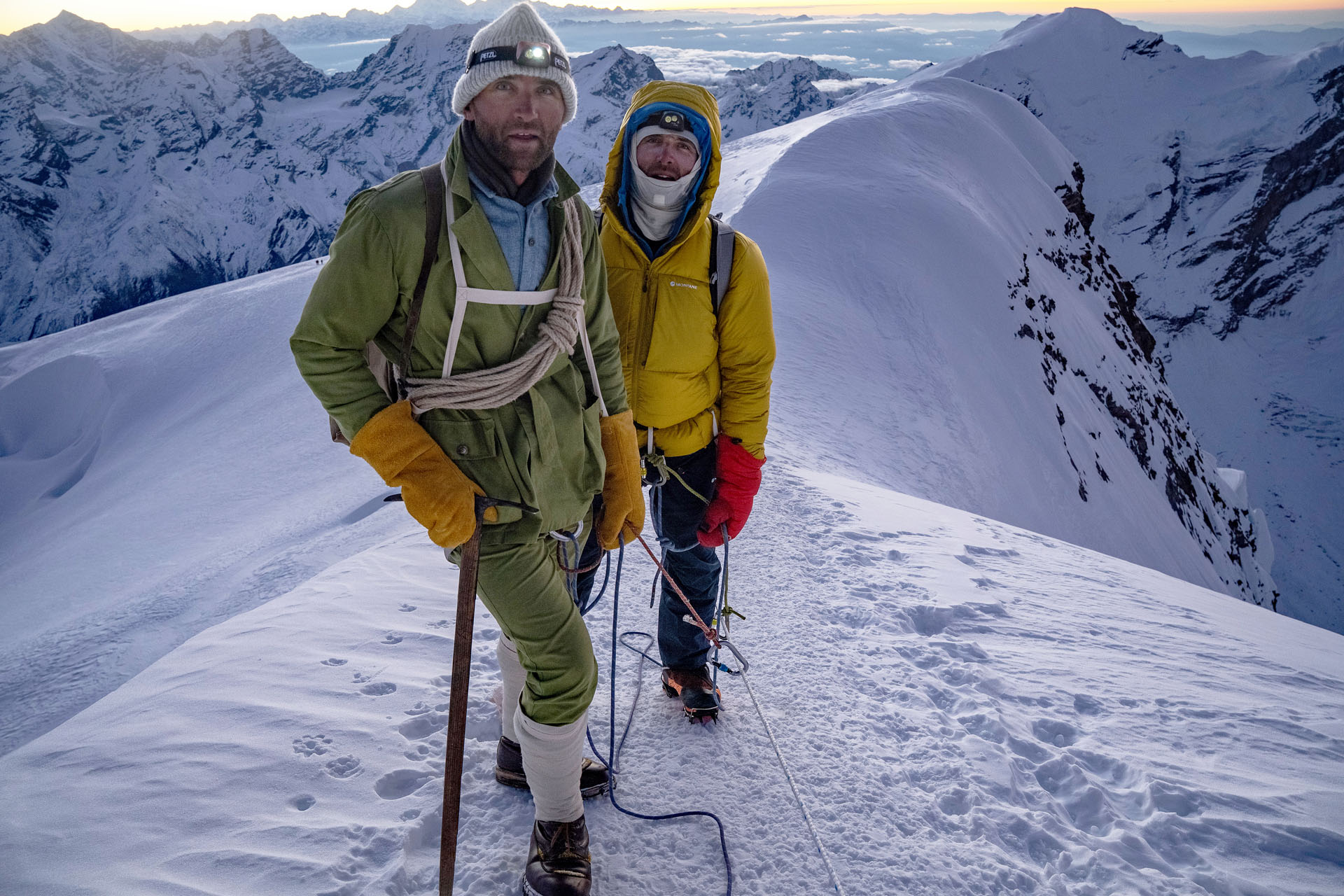
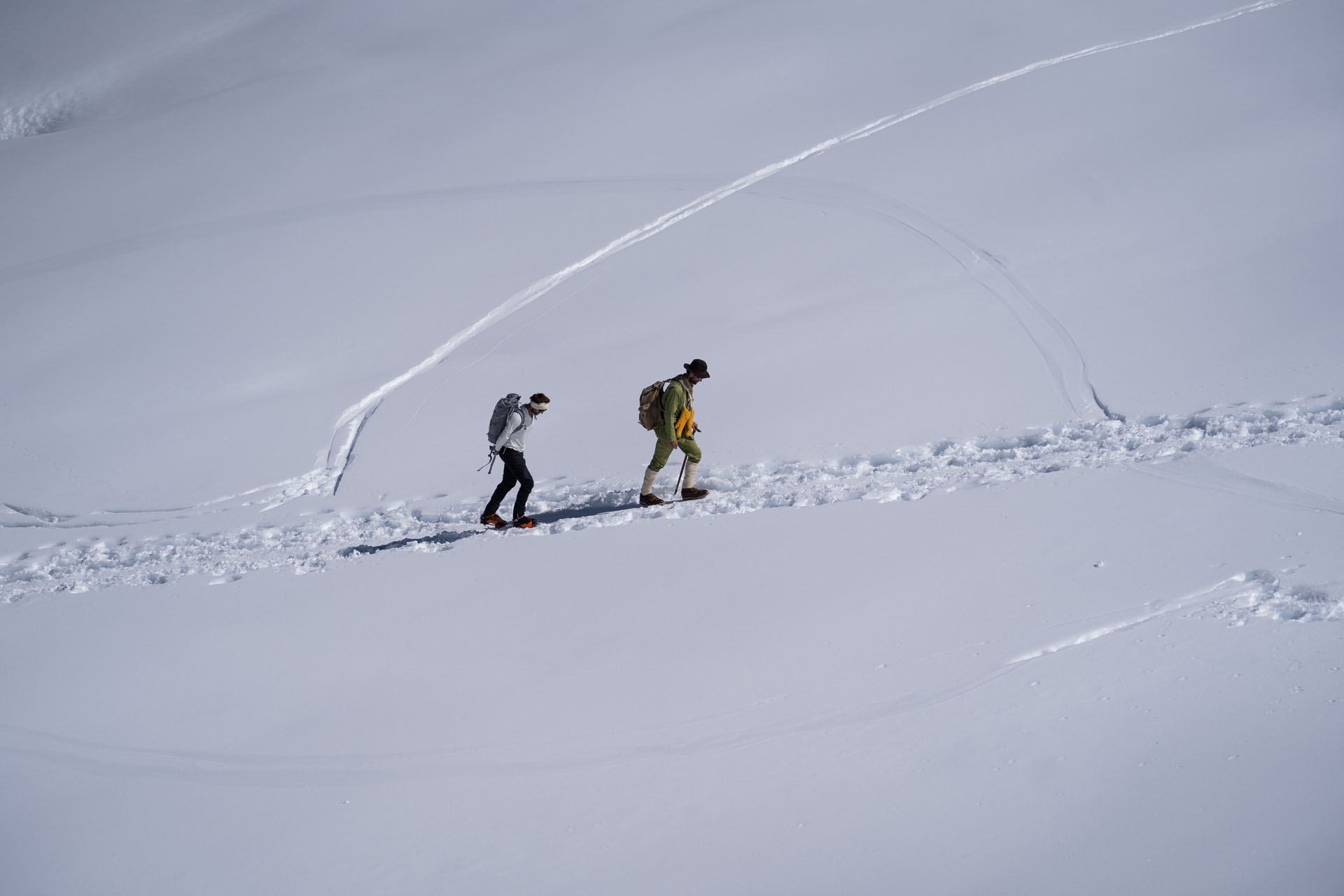
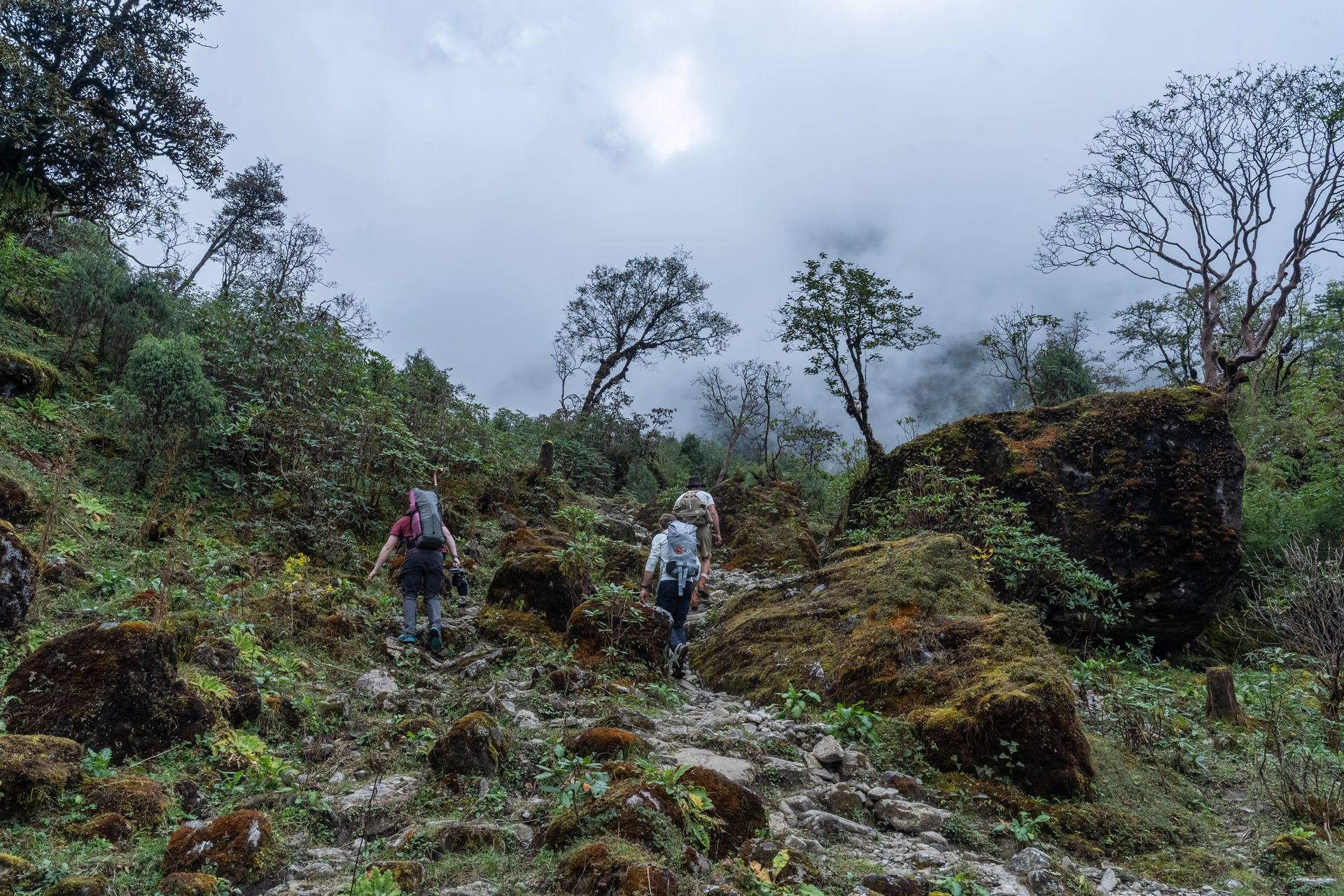
The Turner Twins scaled Mera Peak (6,476m), Nepal’s highest trekking mountain, as a controlled, high-altitude testing ground for a once-in-a-century expedition, one where scientific research meets a reimagining of one of mountaineering’s most enduring stories. Did George Mallory and Sandy Irvine reach the summit of Mount Everest and how good was the clothing and gear they used over 100 years ago.
.svg)
Montane, Crockett & Jones, Devold, Mammut, Medichecks, Eli Health

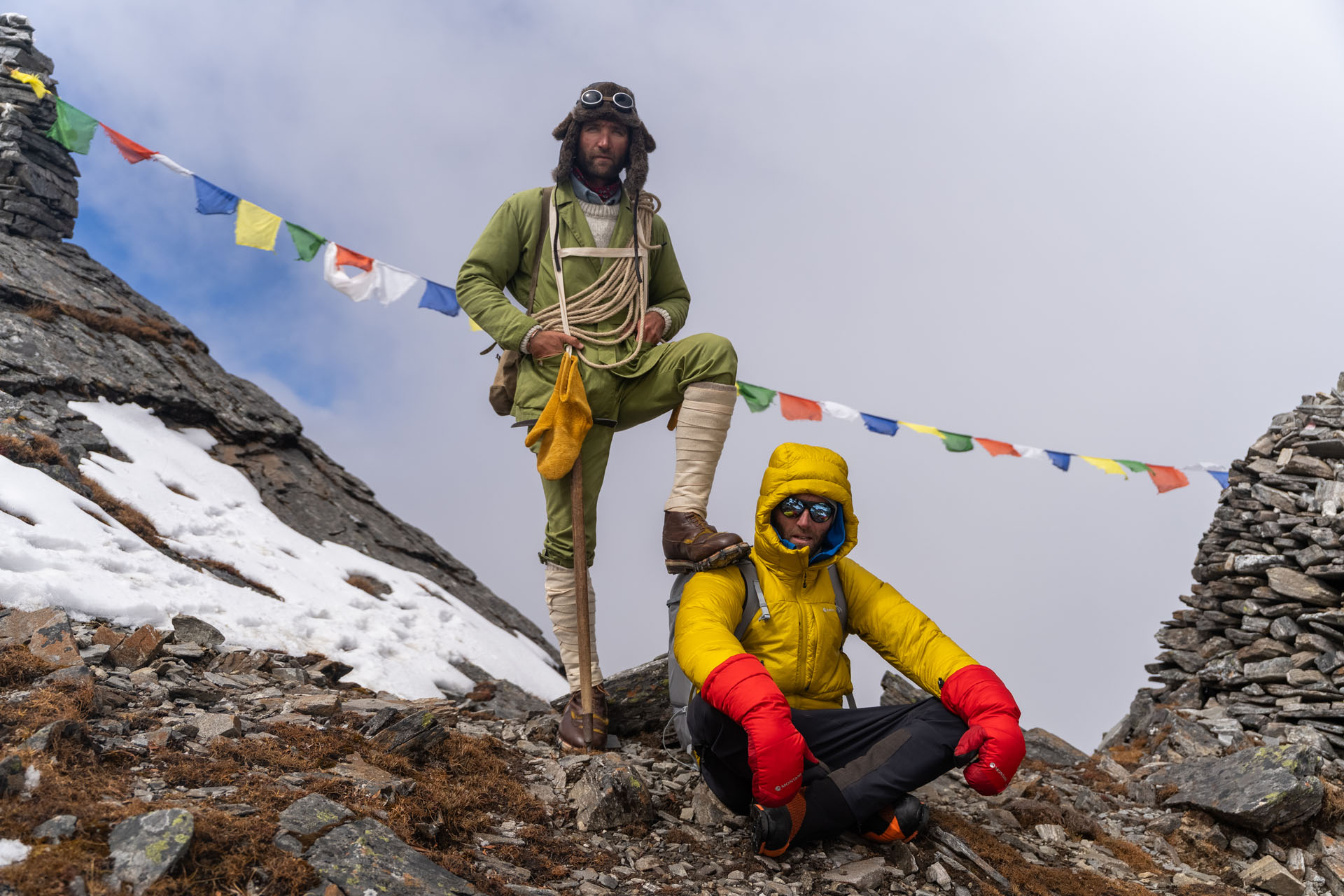
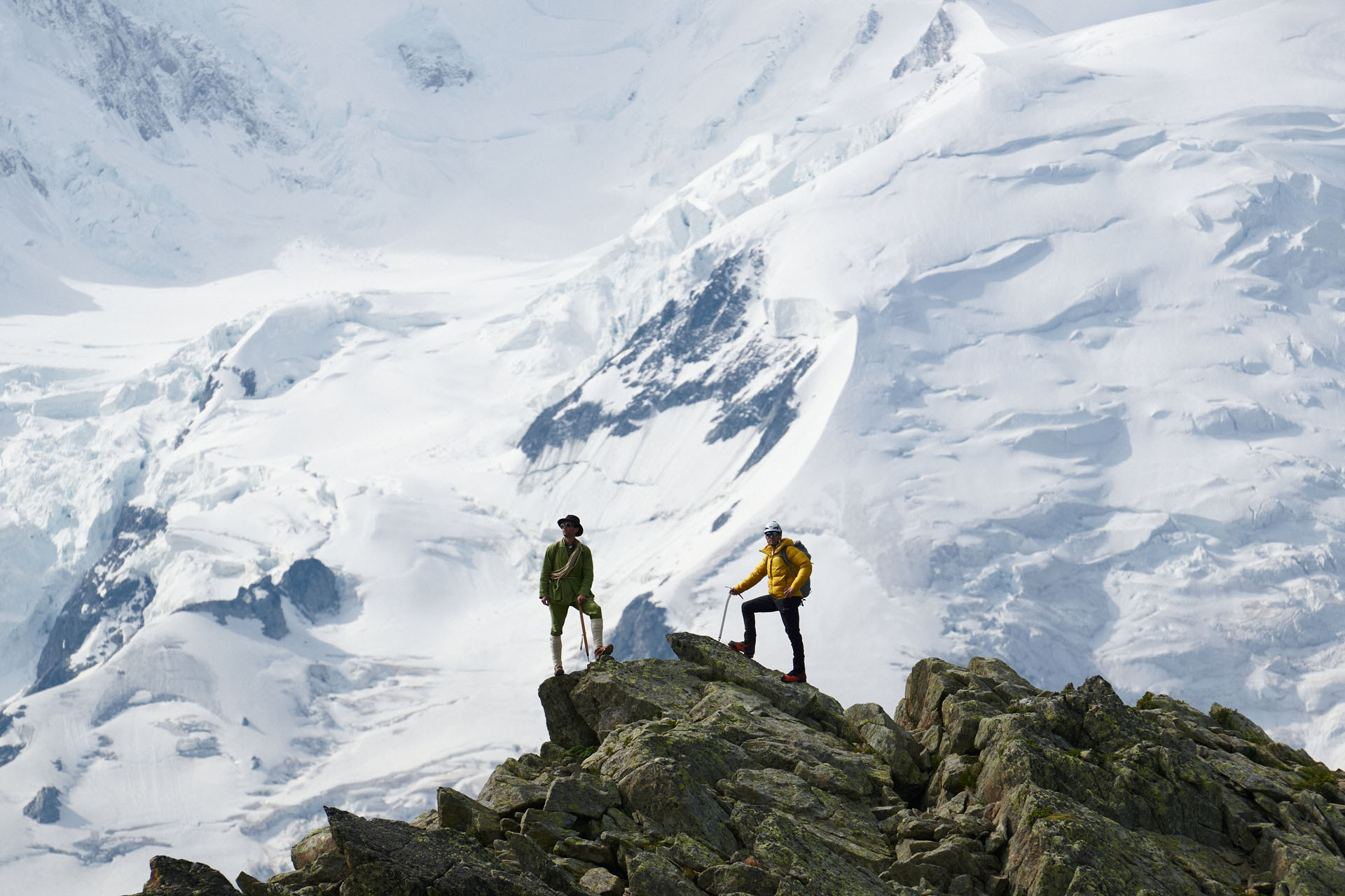
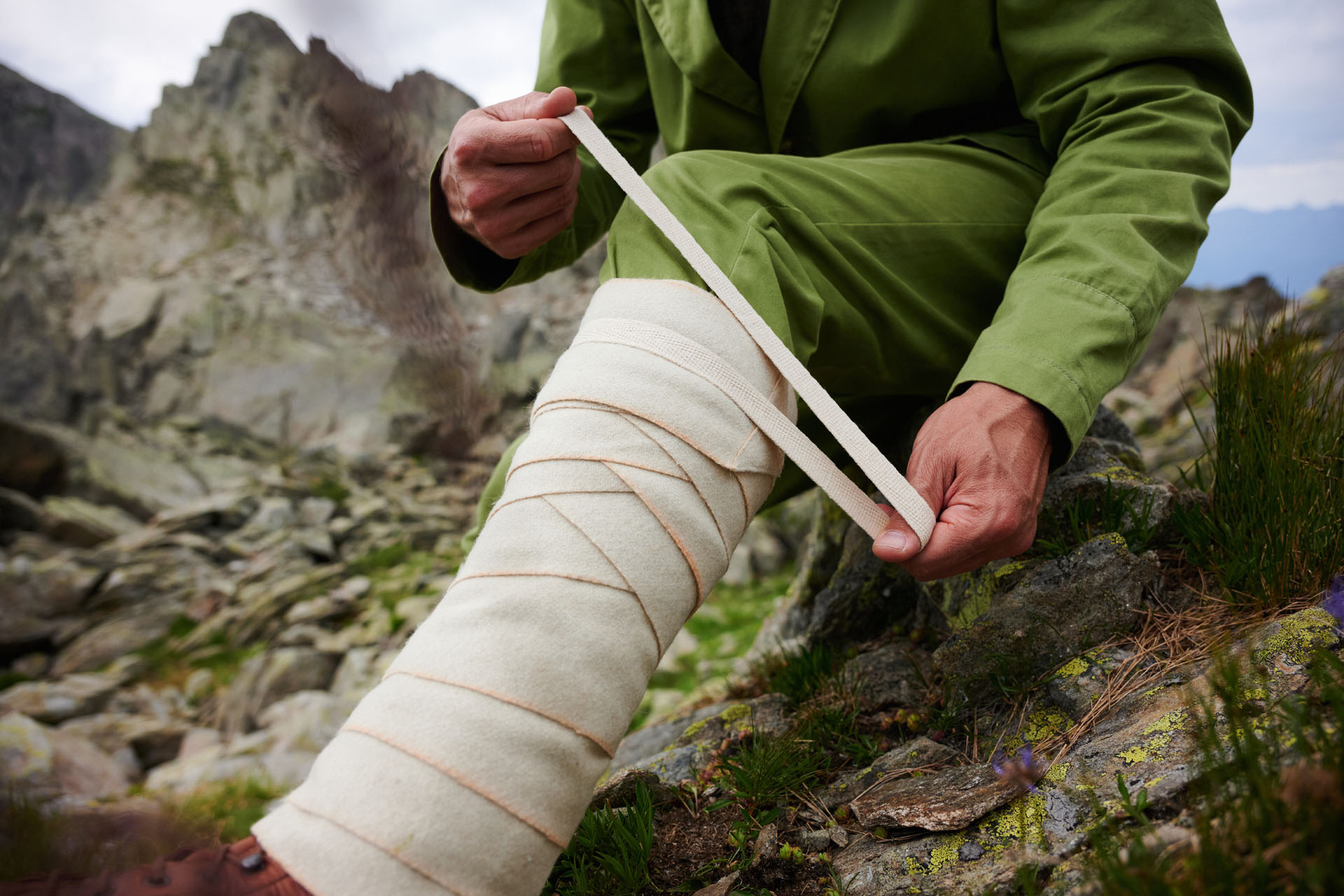
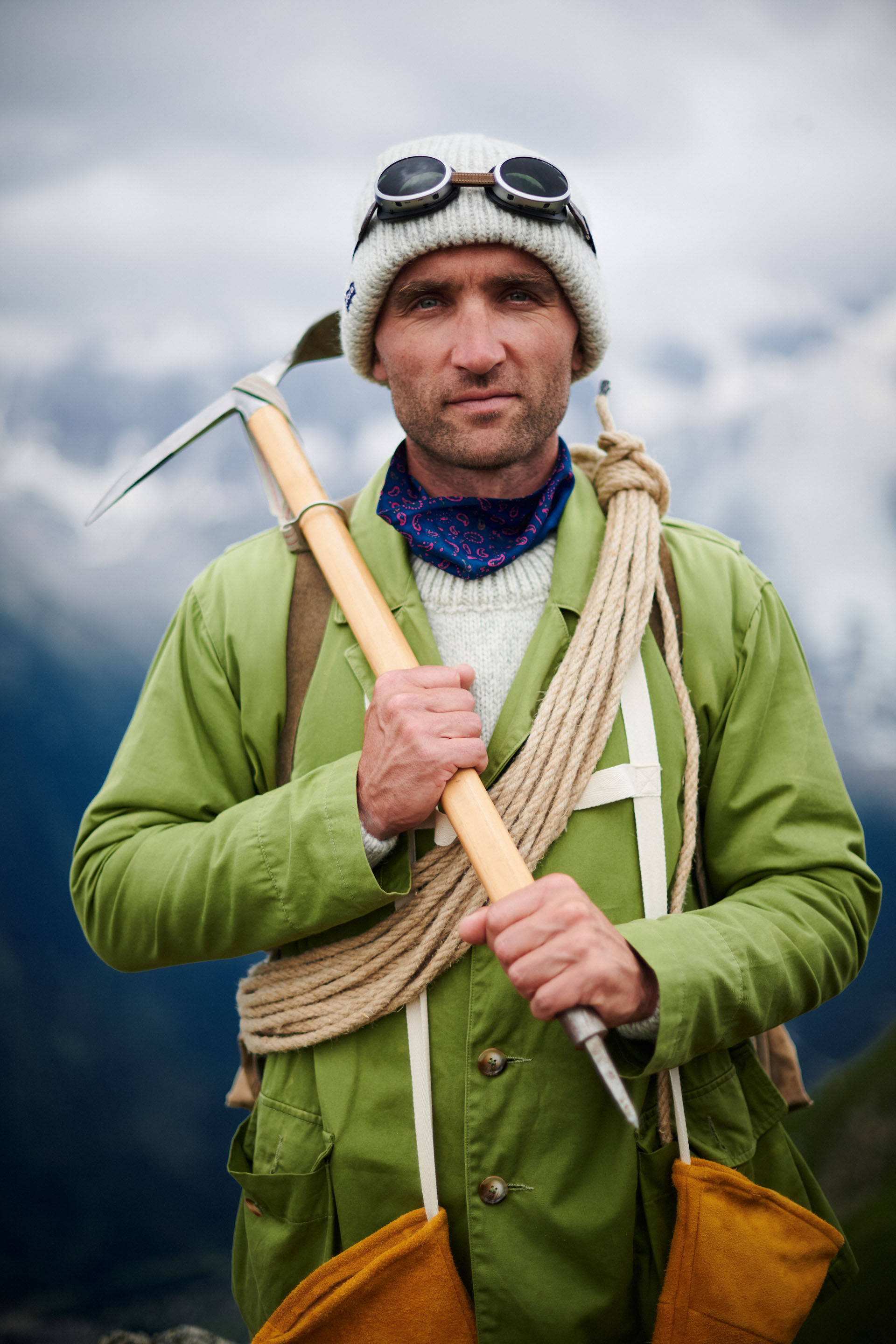
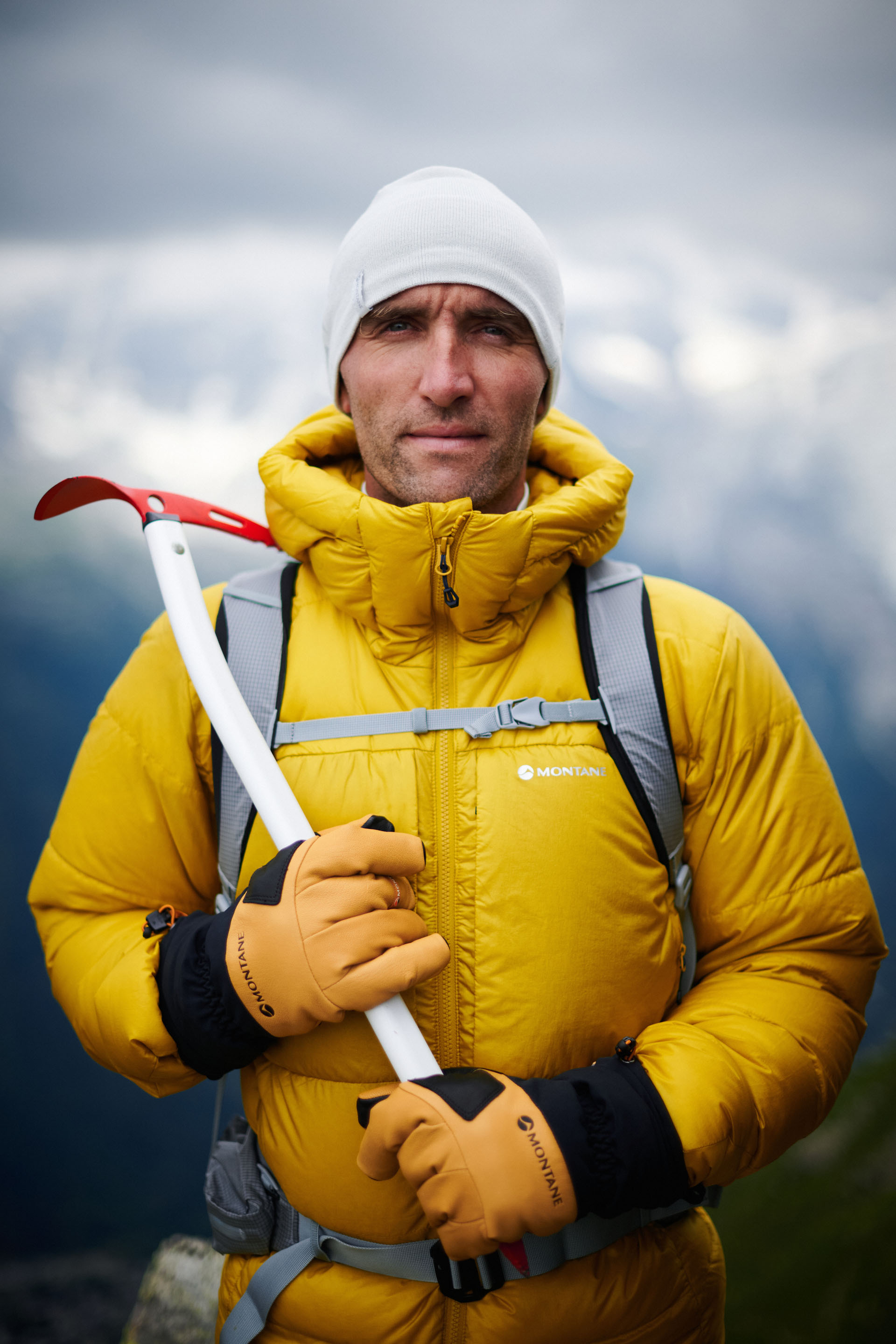
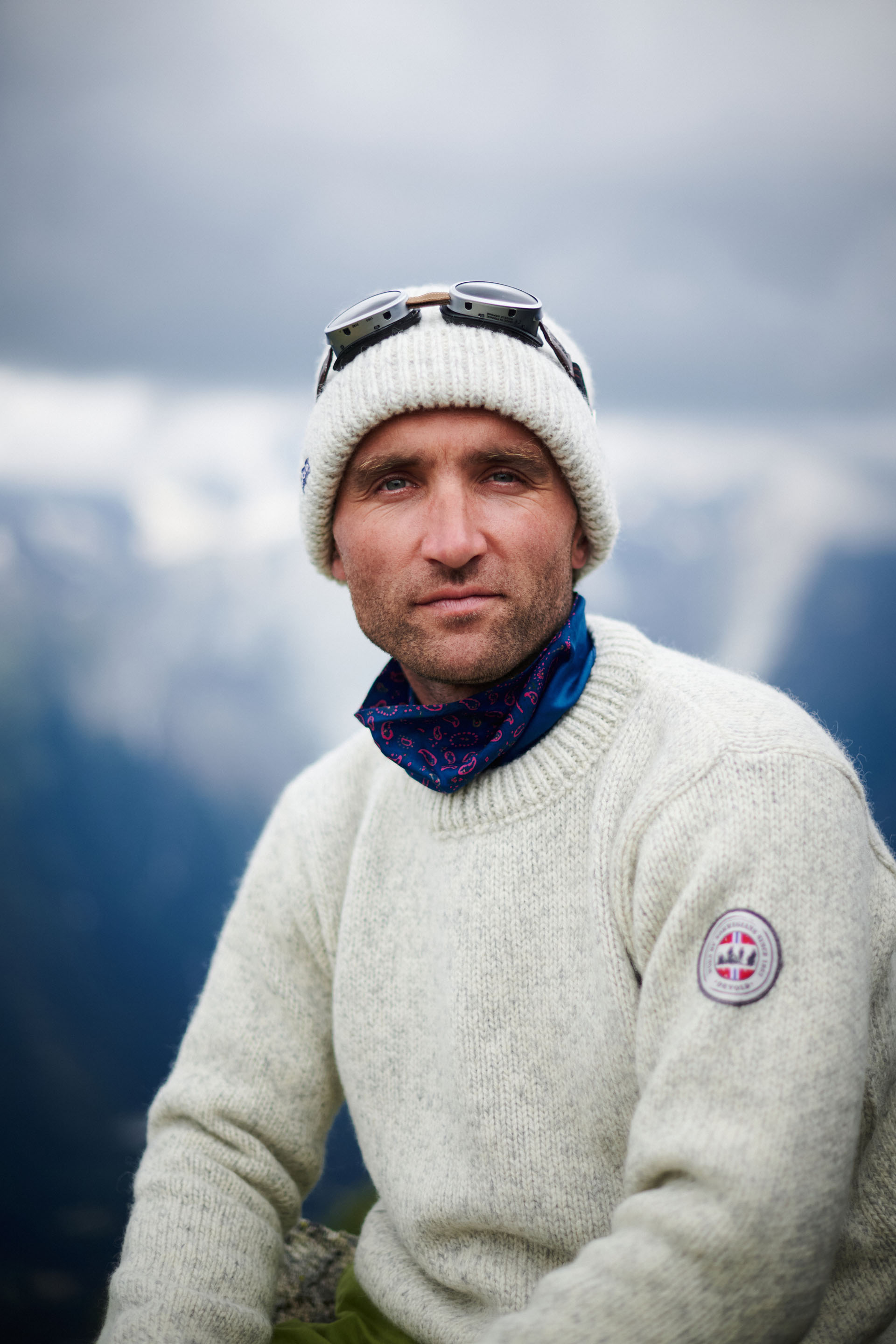
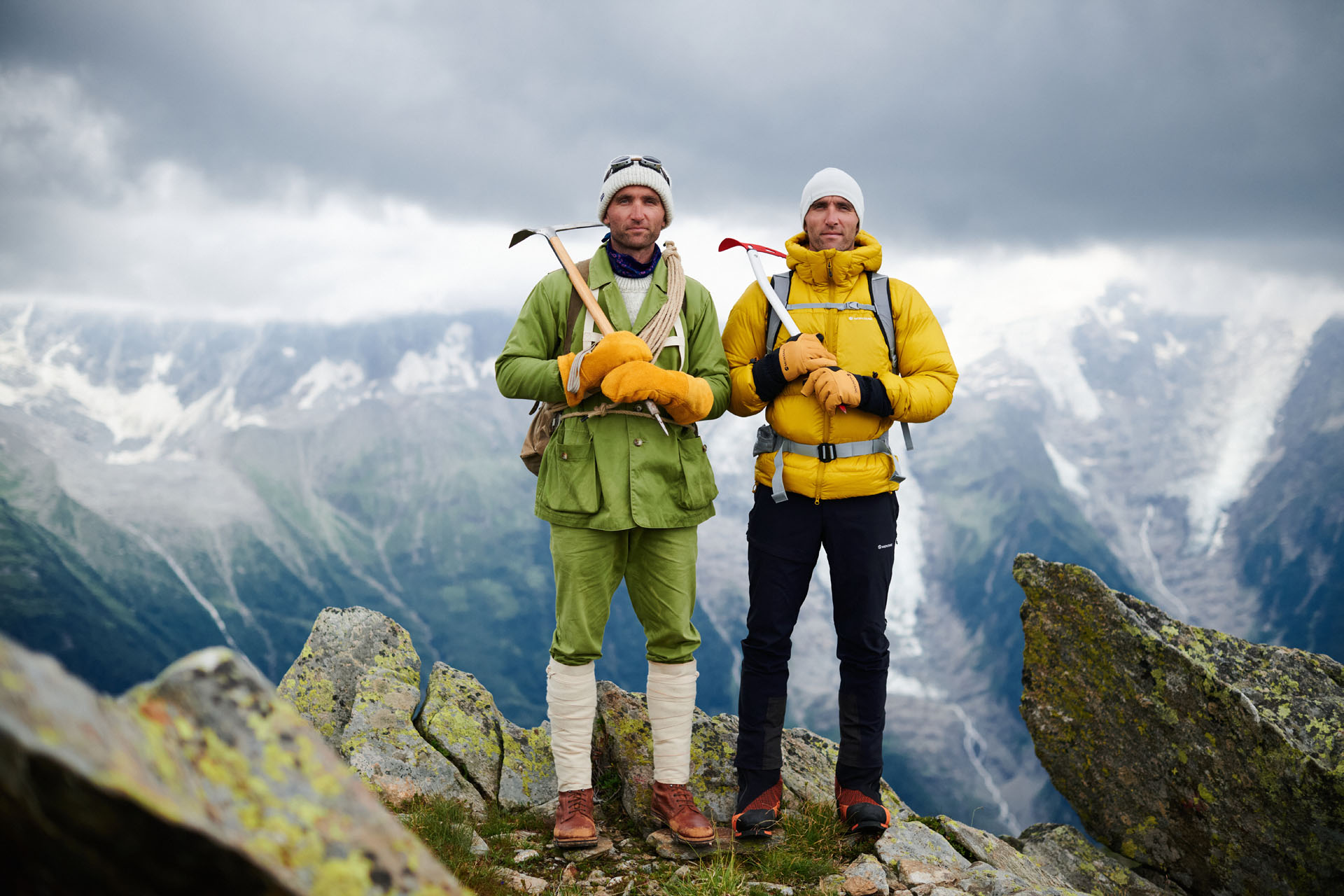
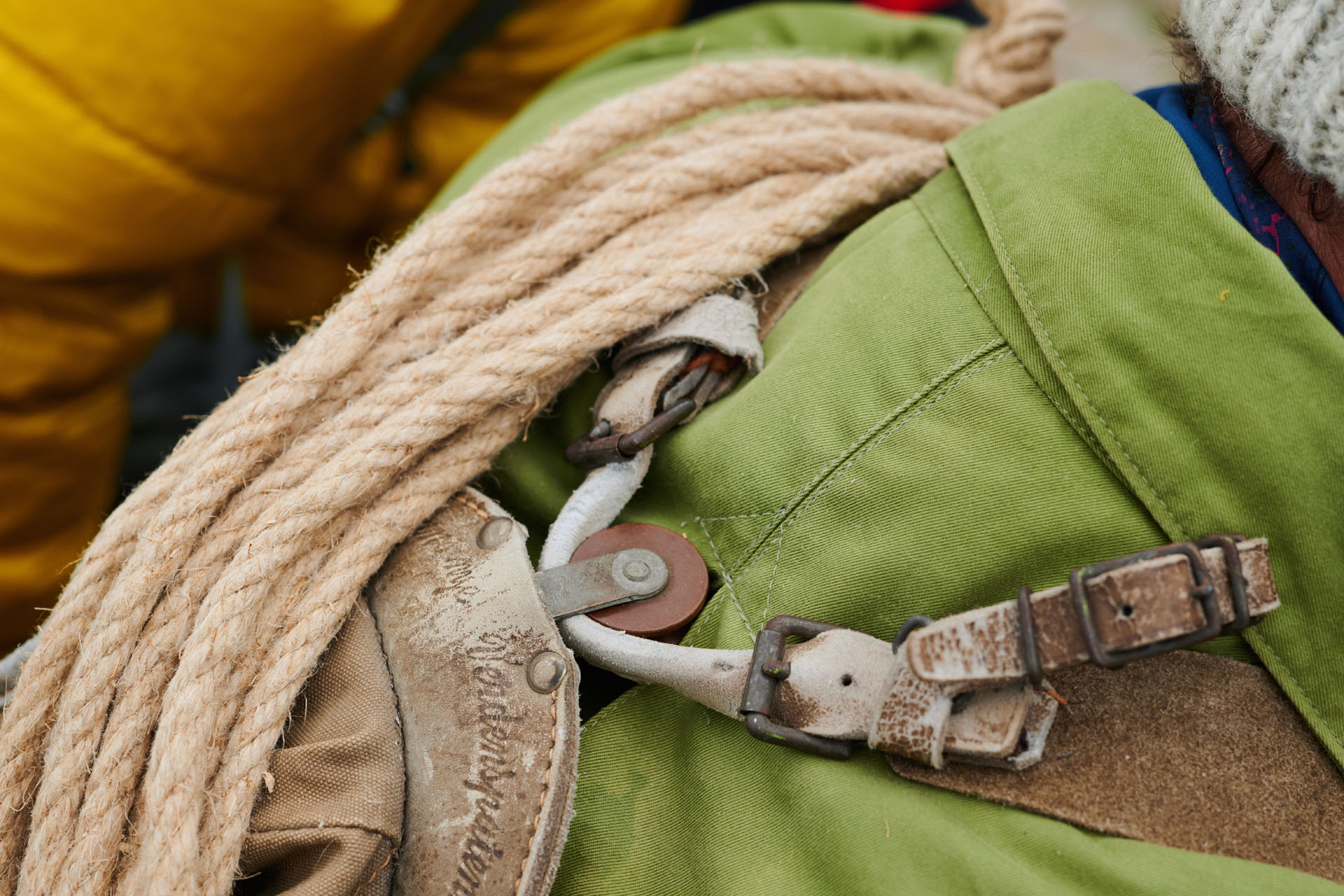
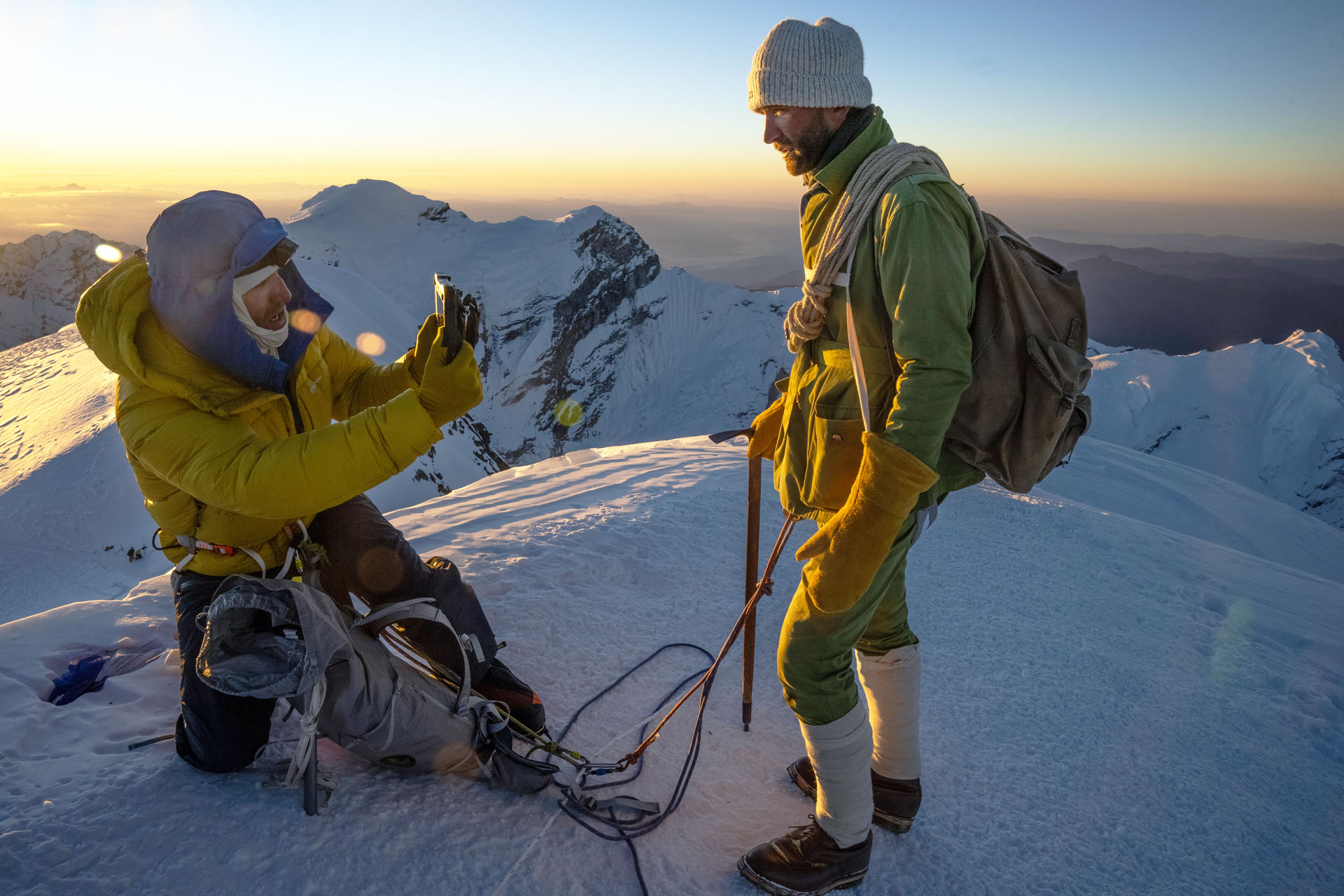
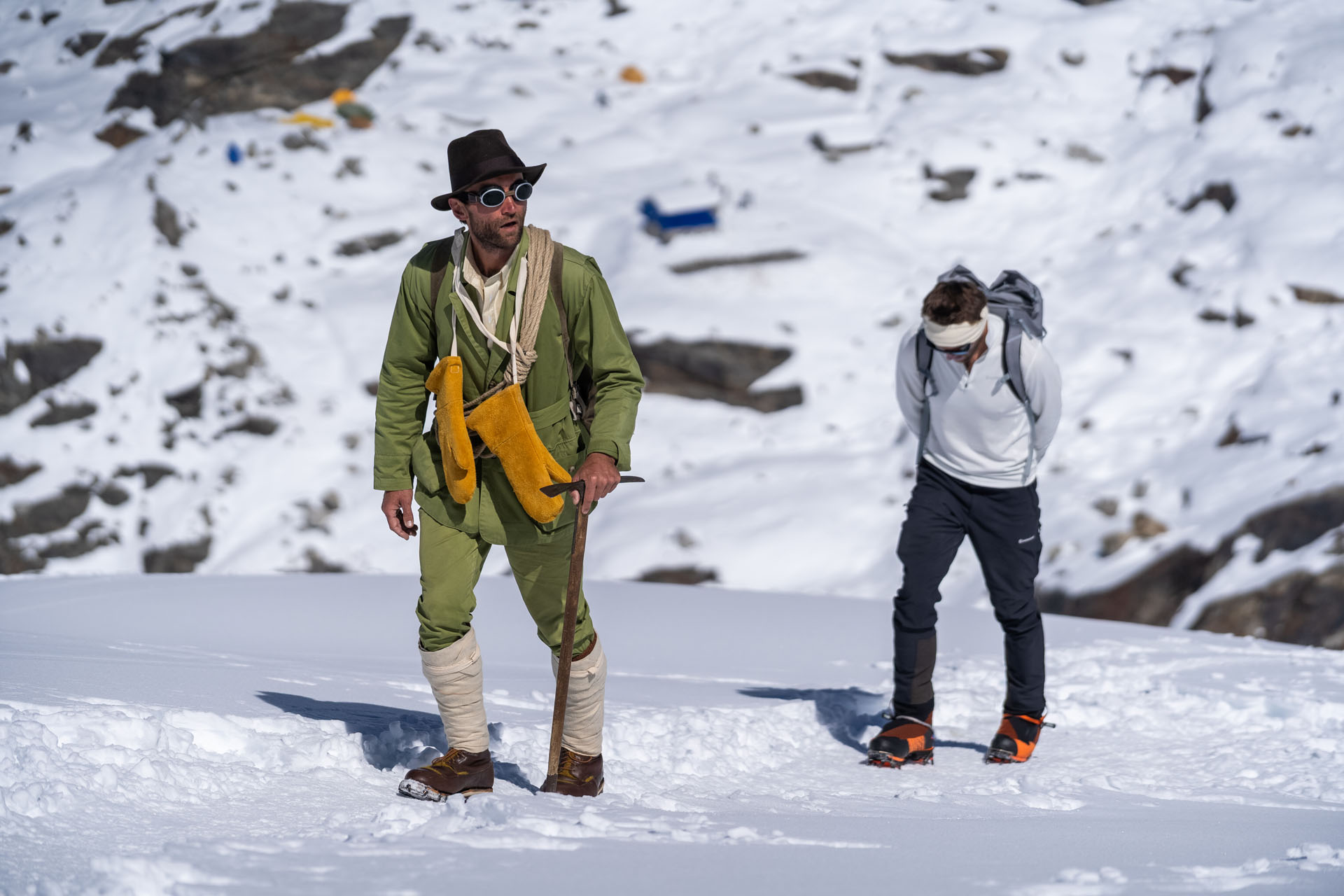
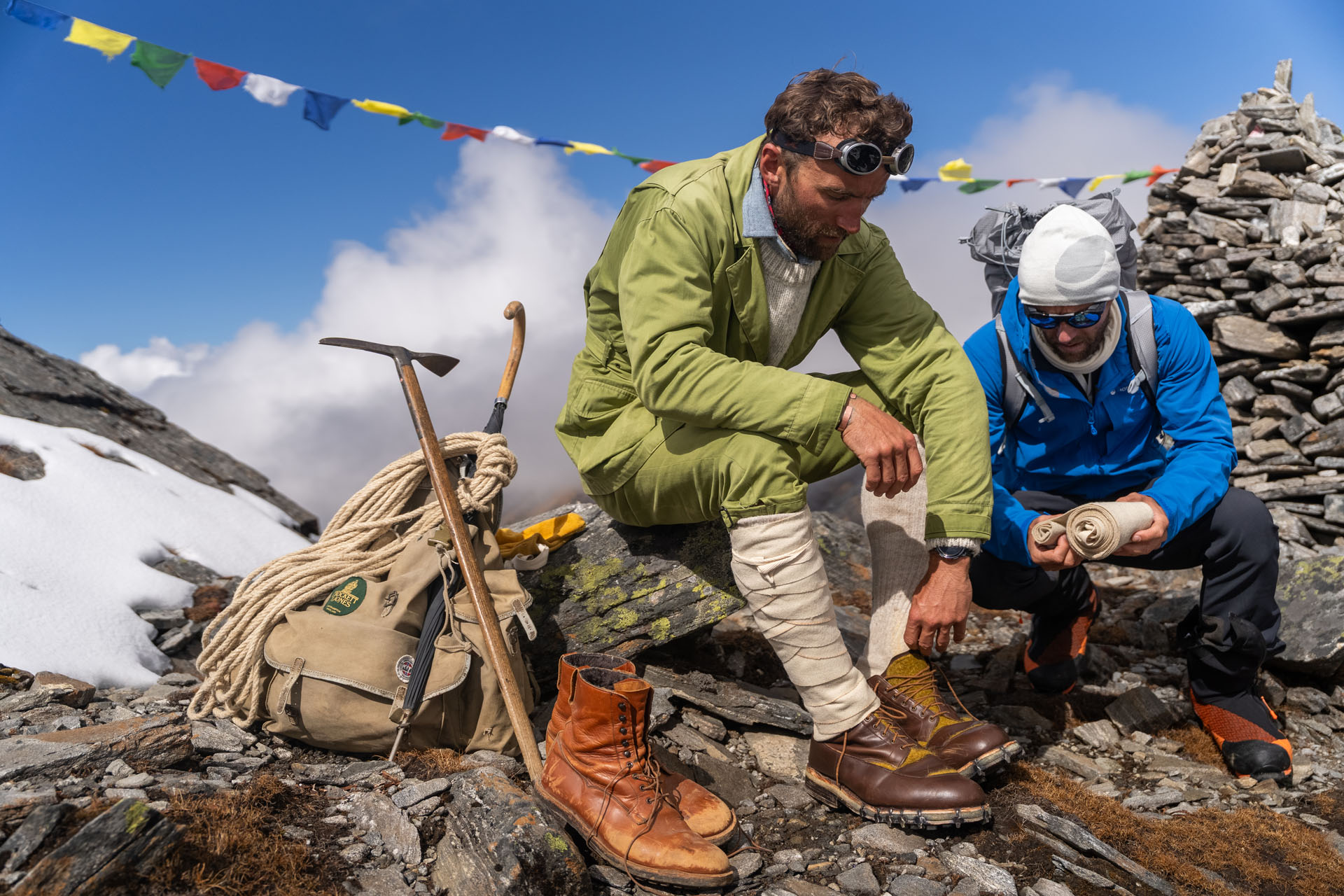
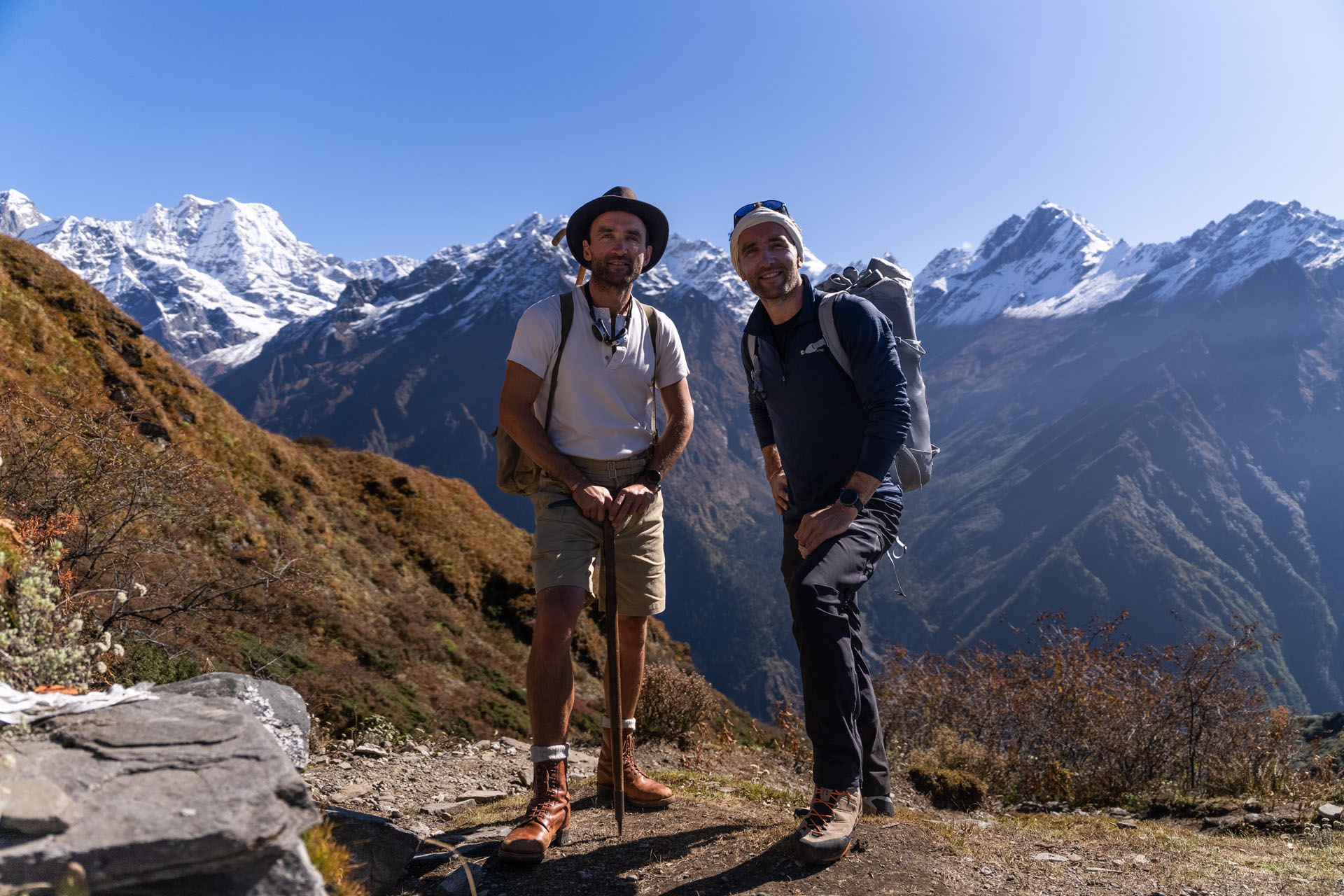
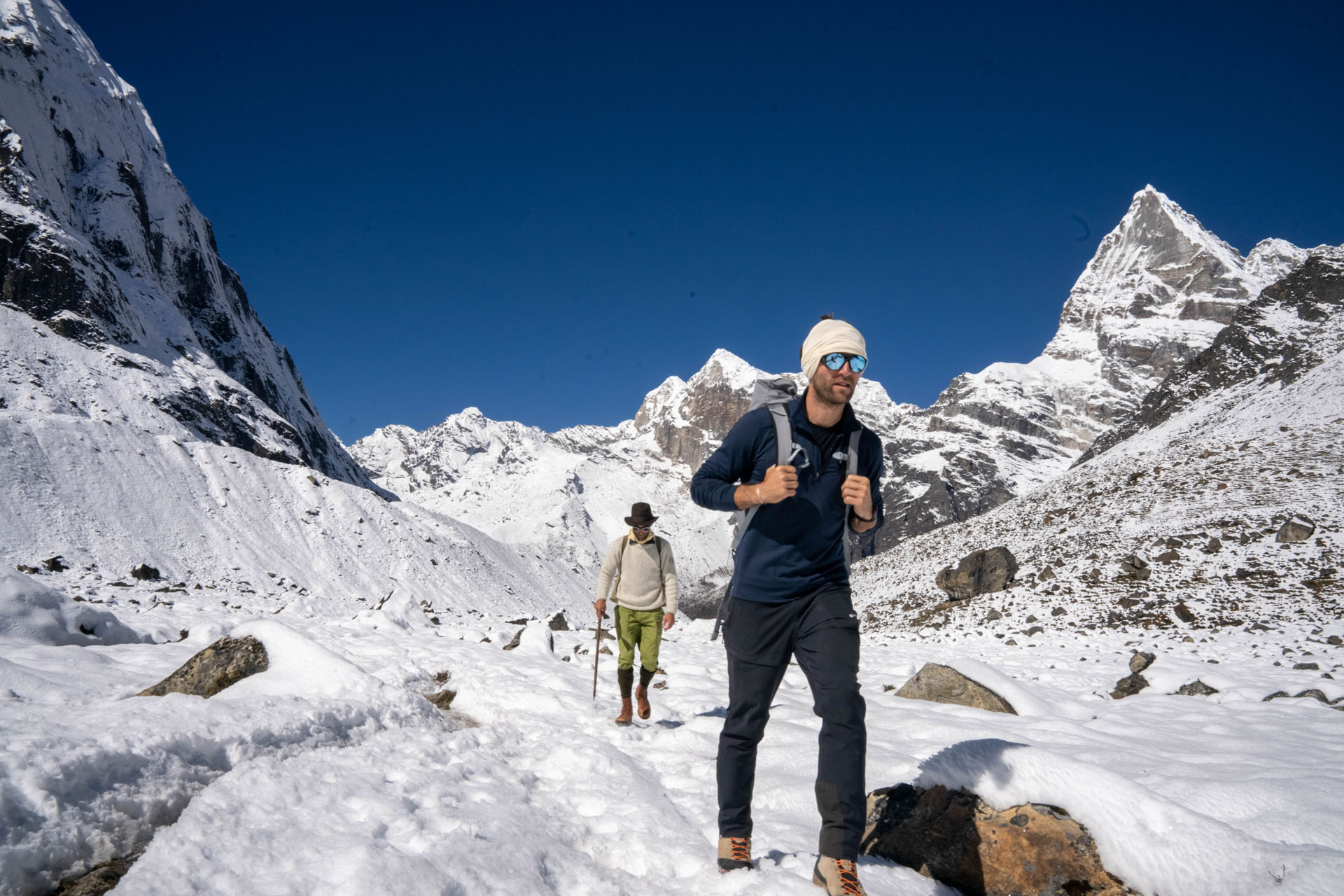
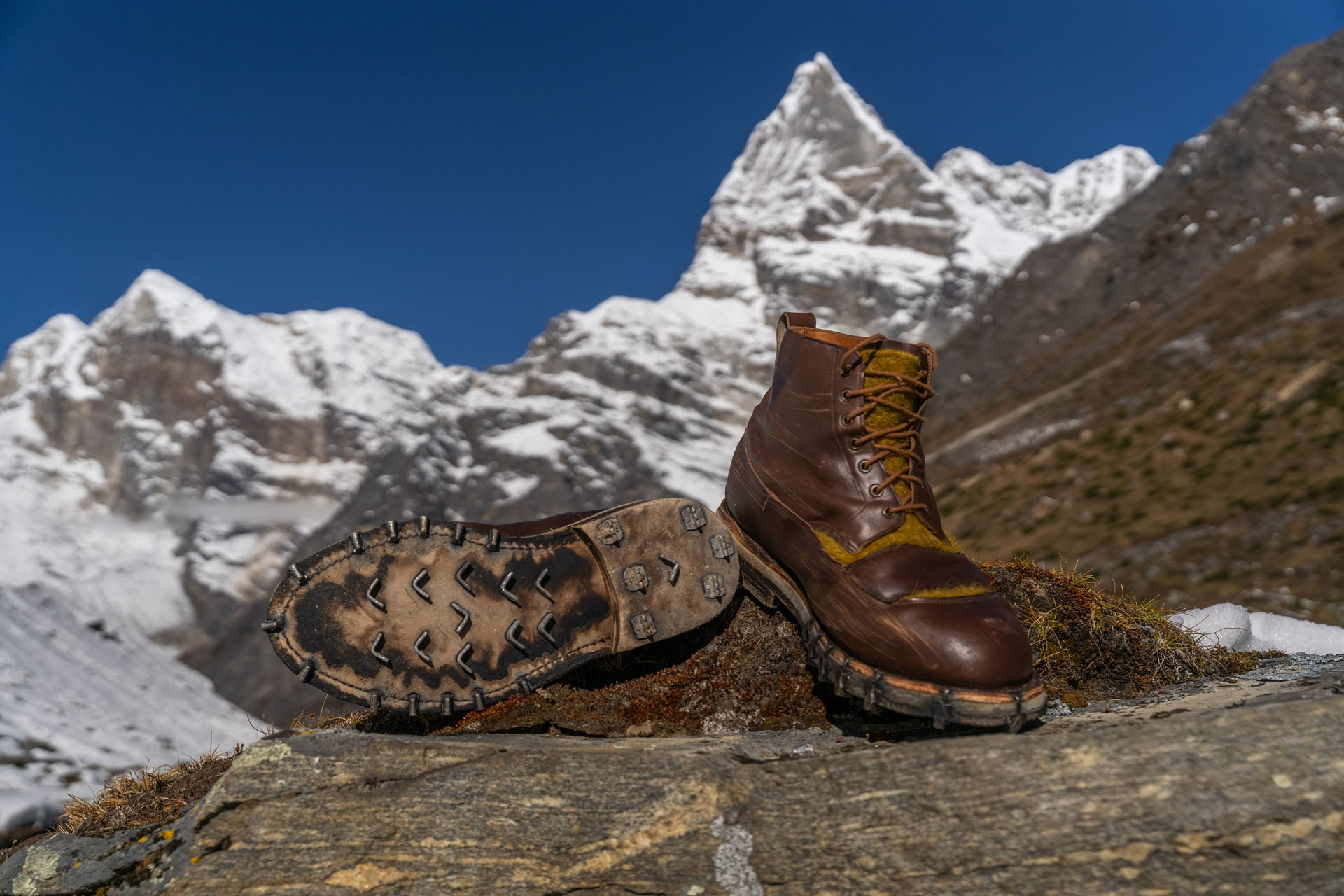
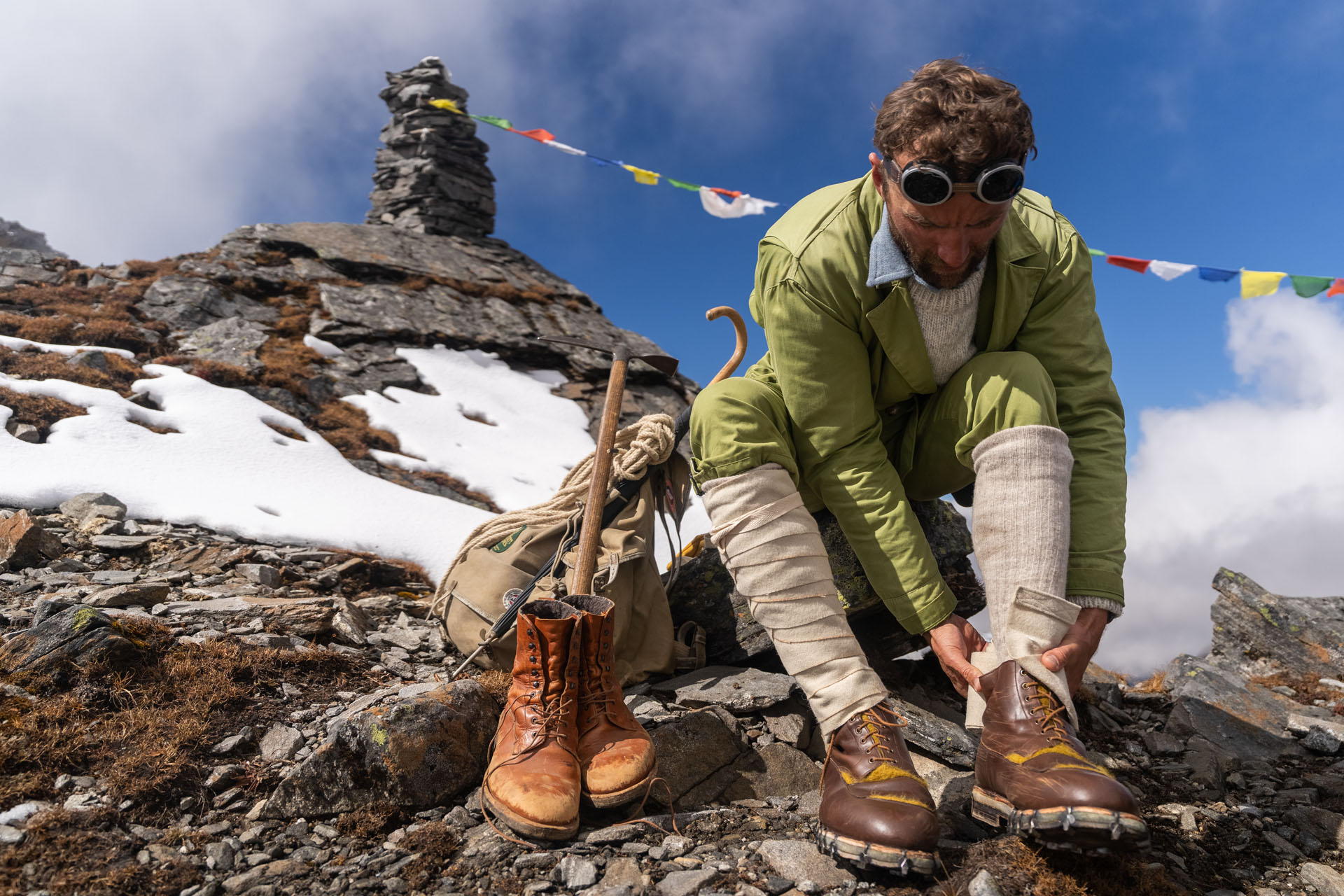
Hugo was equipped with meticulously designed replica clothing and equipment from the Everest expedition in 1924, including hand-stitched wool garments from Devold of Norway and, for the first time ever,custom-made replicas of Mallory’s iconic boots. Recreated in forensic detail by the British shoemaker Crockett & Jones, the boots even feature a custom upper, supposed to have been added by Mallory himself to create additional waterproofing. Ross wore state-of-the-art high-altitude gear by British outdoor brand, Montane, creating a striking visual representation of just how much has changed in the century since the climb.
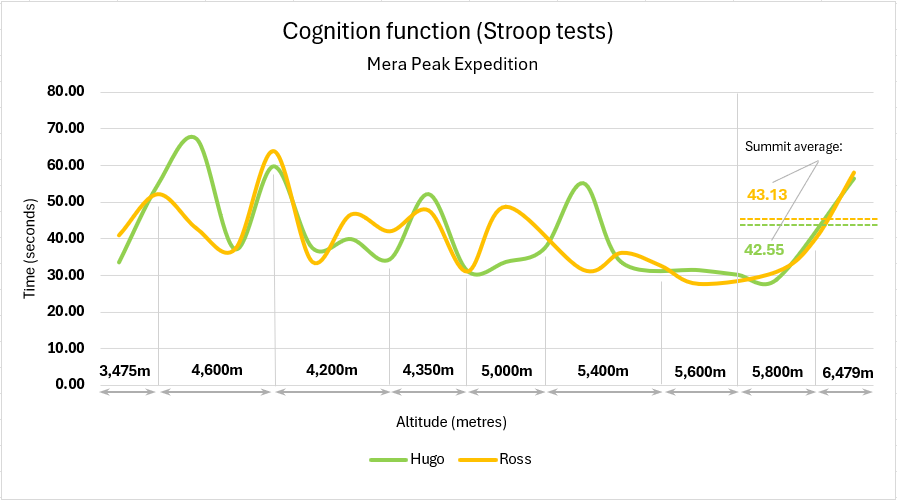
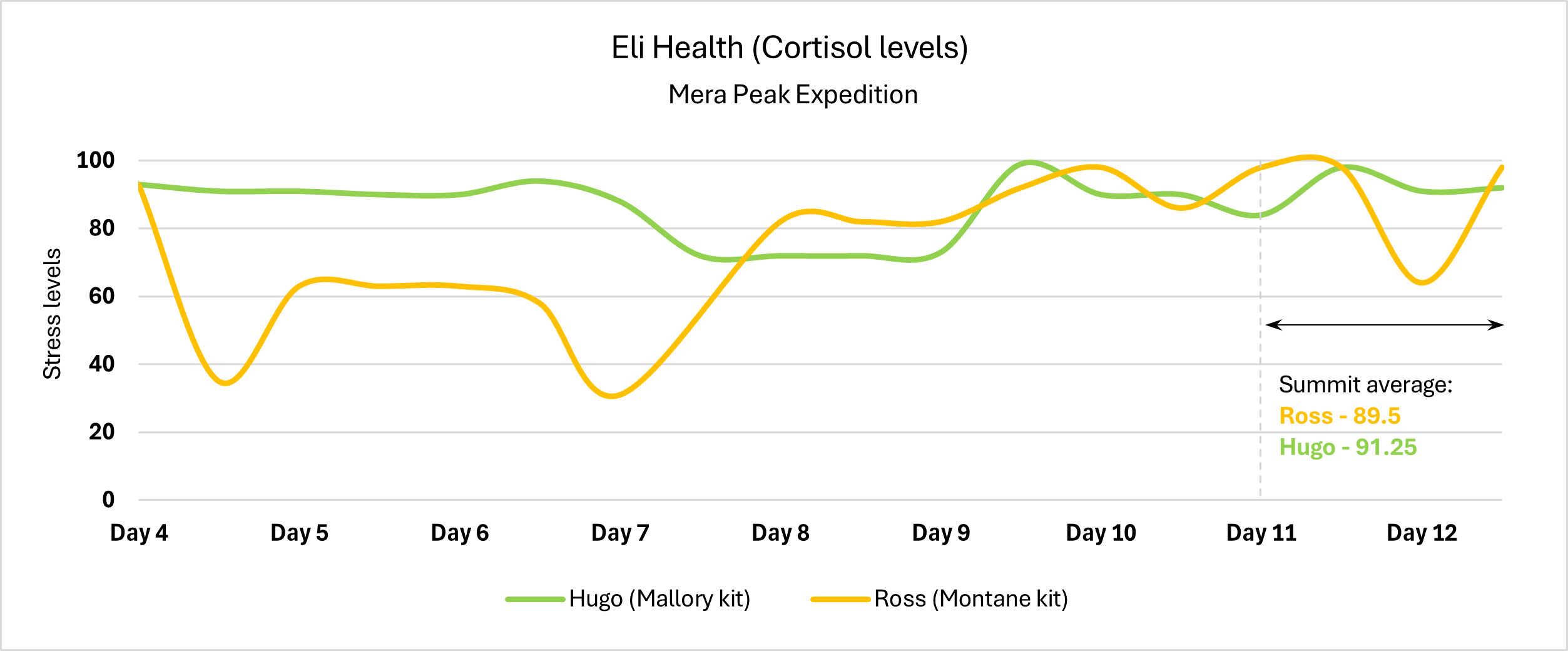
Together, they ascended Mera Peak while being closely monitored by researchers to examine the effects of historical equipment on thermal performance, Cortisol levels (associated with stress) and cognitive performance under extreme environmental stress.
This unique expedition is run in collaboration with the University of Portsmouth’s Extreme Environments Laboratory, renowned for studying human limits under harsh conditions. Real-time physiological data will be collected from the twins, including body temperature, cognitive performance, cortisol levels (associated with stress), dexterity and clothing durability, offering a rare comparative insight into how gear may have affected Mallory’s chances of survival and summit success in 1924.
Initial clothing testing at Portsmouth University's Extreme Environments lab highlighted differences between the thermal perforance of the replica boots and layering system of George Mallory's kit and the modern system. Two tests were conducted; the first in a cold chamber set at -25 degrees celsius. Each twin stood still for 20 minutes with temperature data collected. The second test was in a room at another temperature controlled room set at 12 degrees celsius, this time both twins were exercising. Again, all temperature data was collected.
%20%20comparison.png)
%20comparison.png)
%20comparison.png)
%20comparison.png)